Our Mission

Free Up Foundation delivers rapidly scalable transitional housing communities that create clear, accountable pathways to rehabilitation, recovery, and long-term self-reliance for those struggling with homelessness. 

An elderly man with white hair wearing a green jacket and blue shirt sits at a table in a cafeteria or waiting area, with a water bottle in the foreground and vending machines in the background.
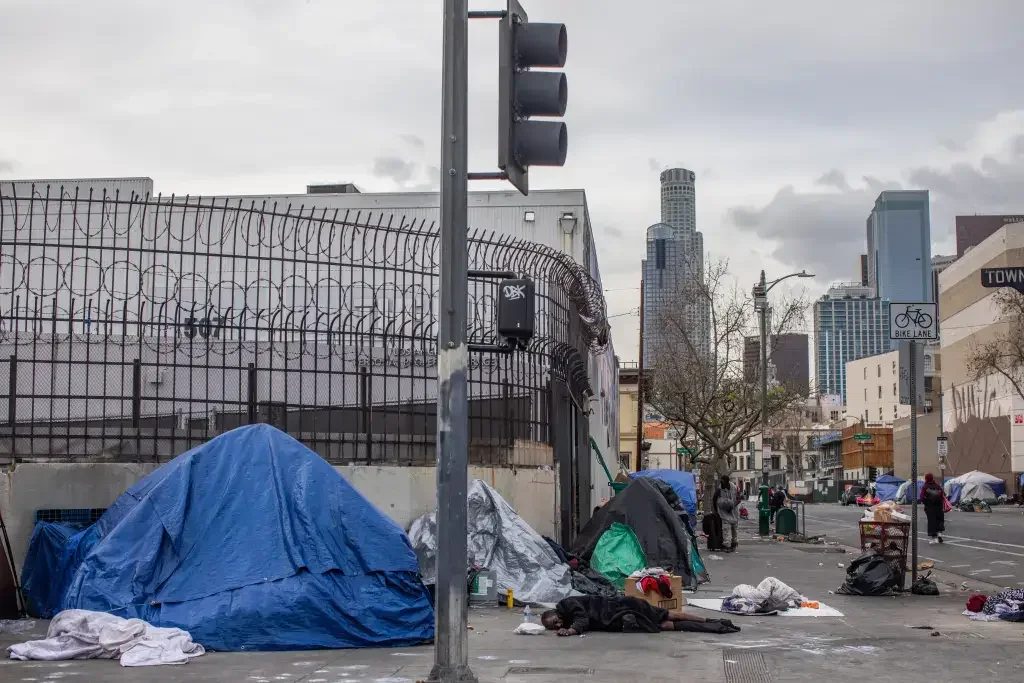
Two people with worn clothing on a city sidewalk surrounded by scattered belongings and clothes. One person is sitting on the ground, holding items and looking down, with a second person sitting in the background against a graffiti-covered wall.

A Proven, Scalable Solution

We have engineered a cost-optimized, outcomes-driven Human First approach that can significantly reduce a region’s homeless population within five years. As homelessness declines, unneeded infrastructure is responsibly dismantled— freeing local resources for other priorities. 


Restored human beings 

What Success Delivers 

Safe, shared public spaces restored 

Accountability at every level—individual, nonprofit, and systemwide 

Faith-based groups, law enforcement, and community partners fully engaged 

Reclaimed local control that encourages innovation
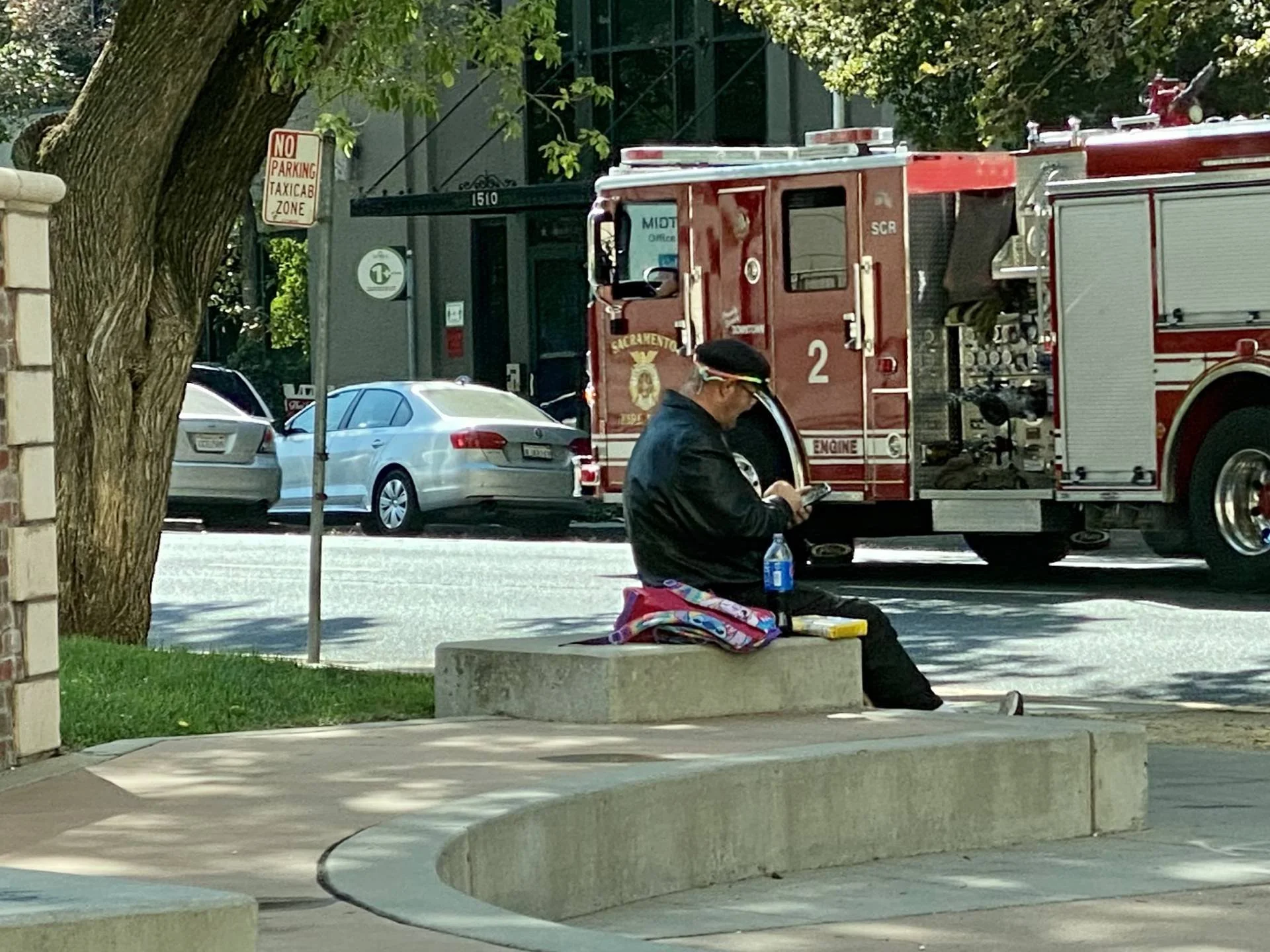
A man sitting on a concrete bench under a tree, using his phone, with a water bottle and snacks beside him, near a red fire truck on the street.

Op-Ed’s/Media Inquiries

Feb 17, 2026

Across America’s streets, the homeless epidemic is claiming lives, fracturing 
families, and eroding public safety.

Read More

Feb 10, 2026

Battling the Homeless Epidemic, talks to Shaun about the Homeless Industrial Complex's spike

Read More

Jan 29, 2026

The Vicki McKenna Show - Michele Steeb 1-29-2026

Read More

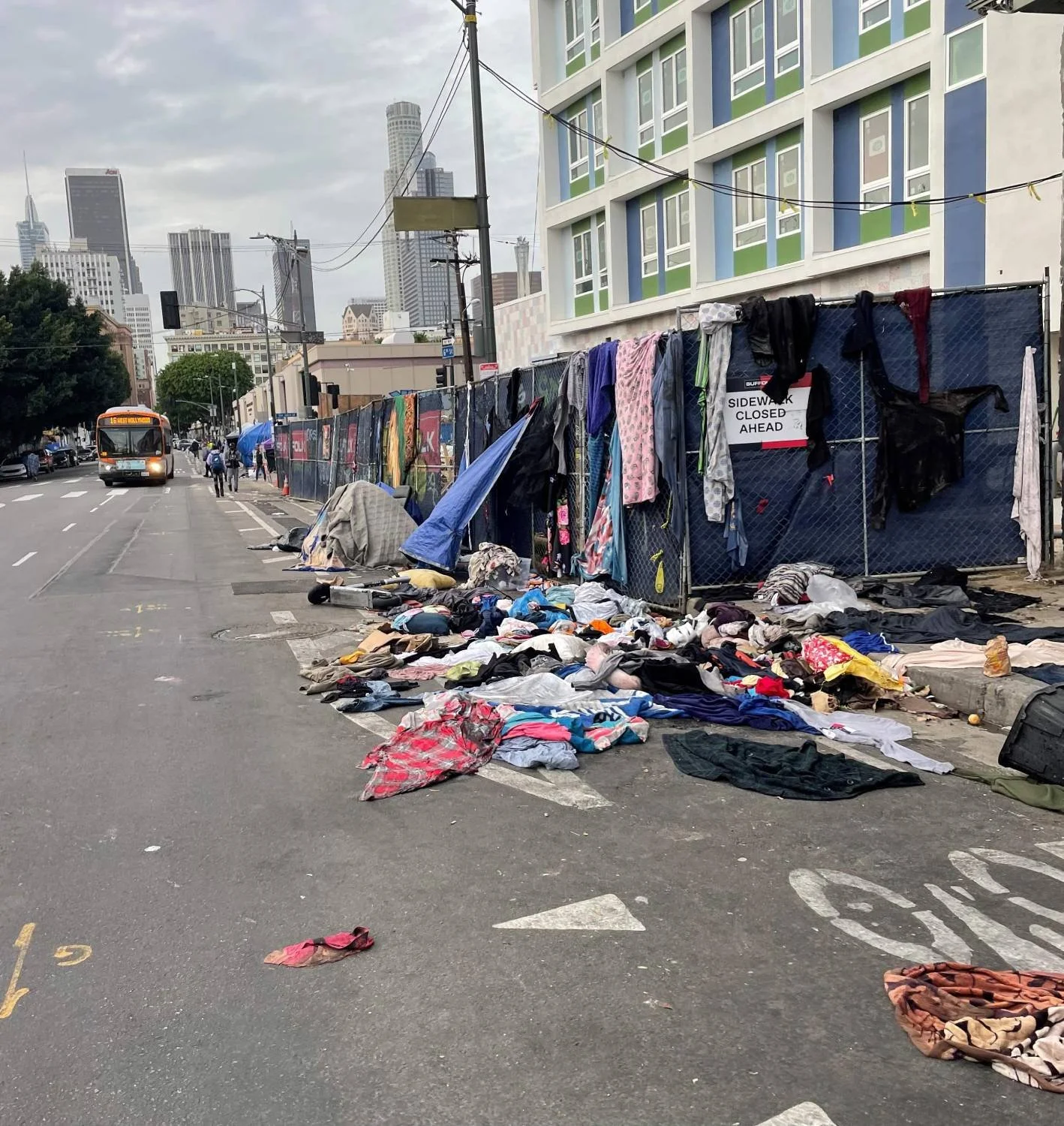
Clothes and personal items scattered on the street sidewalk next to a fenced-off construction site, with a city skyline in the background.

Join the Mission for Recovery & Self-Reliance

Free Up’s model, when fully implemented, is built to reverse a region’s homelessness crisis within five years— efficiently and cost-effectively. As homelessness declines, excess infrastructure is dismantled, freeing resources for other regional priorities. 
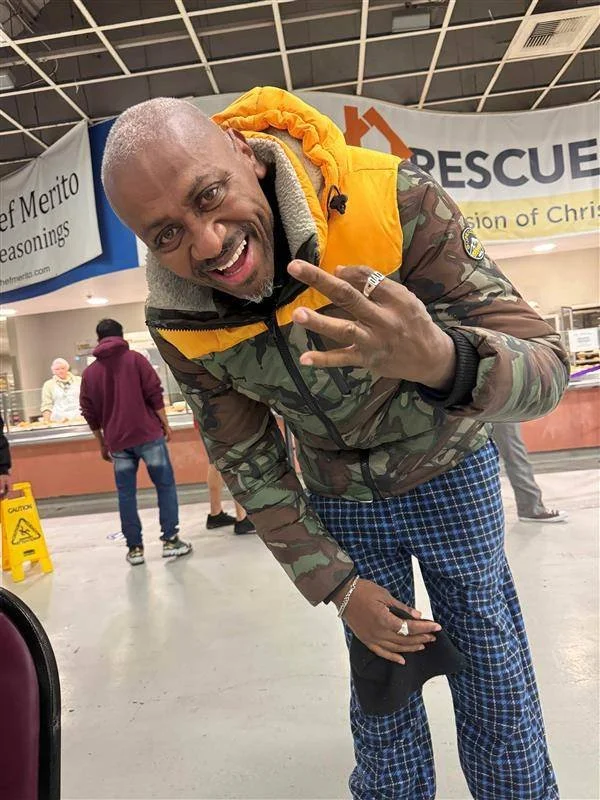
A cheerful man with a shaved head and gray beard making a peace sign with his right hand, wearing a camouflage jacket with a yellow hood, blue plaid pajama pants, and sitting on a red chair in an indoor public space.